Spiders are part of life in Melbourne, and most of them are harmless and even helpful, because they eat flies, mosquitoes and other insects. But a few are worth knowing, especially if you have young kids, pets, a shed or a garden full of hiding spots. This guide covers the spiders you’re most likely to find around a Melbourne home, which ones to worry about, and how to keep numbers down.
Redback spider
How to spot it: The female is black, about the size of a pea, with a round body and a red or orange stripe on her back. Males are much smaller and brown.
Where it lives: Dry, sheltered spots outdoors: sheds, garages, letterboxes, under outdoor furniture, pot plants, bricks, play equipment and the underside of bins. Their webs look messy and tangled.
Is it dangerous? Yes, the female’s bite can be. Health.vic notes it is the only spider in Victoria to have caused human deaths, but there have been no recorded deaths since antivenom was introduced in 1956.
First aid (from Health.vic): Do not apply a pressure bandage, as it often makes the pain worse. Apply a cold pack and seek medical attention.
White-tailed spider
How to spot it: A long, slim, dark grey to black body with a white tip at the end of the abdomen.
Where it lives: It hunts other spiders and often wanders inside at night, especially in warm weather. It can be found in bedding, clothes left on the floor and towels.
Is it dangerous? In most cases the bite only causes a mild reaction, such as pain, itching and some skin discolouration. Victorian health information says it’s unlikely to cause the skin ulcers it’s often blamed for.
First aid: Wash the area, apply a cold pack and see a doctor if the skin blisters, ulcerates or symptoms continue.
Huntsman spider
How to spot it: Large, flat and hairy, usually grey or brown, with long legs that spread out sideways like a crab.
Where it lives: Under bark, behind shutters and in sheds, and often comes inside, especially before rain, and ends up on walls, ceilings or in the car.
Is it dangerous? Not considered dangerous. Huntsmen are shy and rarely bite. They’re mostly a fright rather than a health risk, and they eat insects like cockroaches.
Black house spider
How to spot it: Dark, robust and medium-sized. It builds lacy, funnel-shaped webs in window frames, wall cracks, eaves and brickwork.
Is it dangerous? Its bite can be painful and cause local swelling, and some people feel unwell. Wash the area, use a cold pack and see a doctor if symptoms continue. These webs are also one of the main reasons people book spider treatments, because they make windows and eaves look neglected.
Other spiders you may see
- Garden orb-weavers: big, wheel-shaped webs across paths at night. Generally harmless.
- Wolf spiders: ground hunters in lawns and garden beds, sometimes coming inside. Bites can be painful but are not usually serious.
- Daddy long-legs: very common in corners of ceilings. Harmless to people.
Too many spiders around the house?
Spider treatments start from $199 including GST, covering eaves, windows, sheds and outdoor living areas.
When is spider season in Melbourne?
Spiders are around all year, but you’ll usually notice more from spring through summer and into early autumn, when there are more insects to eat and spiders are breeding. Spring is a great time for a treatment, before numbers build up.
How to reduce spiders around your home
- Cut down their food. Fewer insects means fewer spiders. Use yellow outdoor bulbs, which attract fewer insects, and keep screens in good condition.
- Remove hiding spots. Clear clutter in sheds and garages, and don’t leave toys, shoes or gloves outside.
- Wear gloves when gardening or moving things in the shed.
- Check outdoor furniture and play equipment before kids use it, especially underneath.
- Brush down webs from eaves and windows regularly.
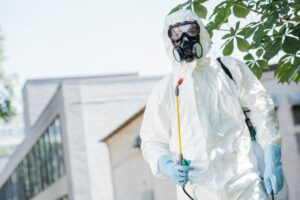
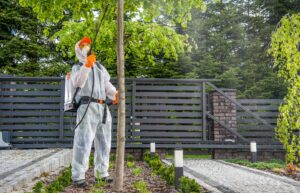
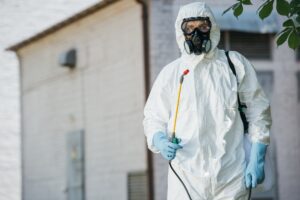
- Book a professional spider treatment to treat eaves, window frames, fences and other outdoor hiding spots.
We explain more in our older guide on handling spider control and removal, and on our spider control in Melbourne service page.
Frequently asked questions
Are there funnel-web spiders in Melbourne?
According to Victoria’s Better Health Channel, the funnel-web species that cause significant injury to people are not found in Victoria. Some related spiders do live here, so treat any large, dark, aggressive spider with caution.
Should I use a pressure bandage for a redback bite?
No. Health.vic advises against pressure bandages for redback bites because they often make the pain worse. Apply a cold pack and seek medical attention.
Do spider treatments work?
A professional treatment targets the places spiders live and hunt, such as eaves, window frames and sheds, and greatly reduces numbers. Webs that come back can be brushed off and will usually take longer to return.
How much does a spider treatment cost?
Our spider treatments start from $199 including GST. See our Melbourne pest control cost guide for other services.
Insects are what attract spiders in the first place. If you’re also seeing cockroaches, read German cockroaches in Melbourne: how to identify and get rid of them. And if wasps are the problem, see European wasps in Melbourne.