“Is it safe?” is one of the most common questions we hear from Melbourne families. It’s a good question to ask. This guide explains how pesticides are regulated in Australia, what precautions to take before and after a treatment, and the extra care needed for cats, fish, birds and babies.
How pest control products are regulated
In Australia, pest control products must be registered by the Australian Pesticides and Veterinary Medicines Authority (APVMA) before they can be sold and used. Each product has a label that sets out how, where and how much can be used, and what safety directions apply. In Victoria, pest control technicians also need a licence for the work they do.
Before the treatment: checklist
- Tell us about children, pregnancy, allergies, asthma or anyone with health concerns.
- Tell us about every pet, including fish, birds, reptiles and backyard chickens.
- Put away toys, pet bowls, pet bedding and food.
- Cover fish tanks and switch off the air pump during the treatment, as advised by your technician.
- Move birds and small caged pets to another room or outside the treated area.
- Clear under sinks and around skirting boards so treatment goes exactly where it’s needed.
After the treatment: checklist
- Keep children and pets away from treated areas until they’re completely dry, or for as long as your technician advises.
- Open windows to air the home if advised.
- Don’t mop or wipe treated skirting and edges straight away, or the treatment won’t last.
- Leave gel bait spots alone. They’re placed in cracks and hidden areas out of reach.
- Wash any food-contact surfaces before use if instructed.
| Who | Extra care |
|---|---|
| Babies and toddlers | Keep them off floors and out of treated rooms until dry. Put away toys first. |
| Pregnancy | Tell your technician when booking so they can plan the treatment and advise on precautions. |
| Cats | Cats can be very sensitive to some insecticides, including permethrin found in some dog flea products. Never use dog flea products on cats. |
| Fish | Fish are highly sensitive. Cover tanks and follow your technician’s advice on pumps. |
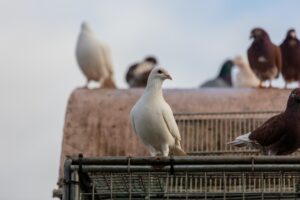
| Birds | Move birds away from treated areas, as they’re sensitive to airborne products. |
| Dogs | Keep dogs off treated lawns and garden areas until dry. |
Have questions about safety?
Tell us about your home, kids and pets, and we’ll explain exactly what we’ll use before we start.
Lower-chemical options
Many problems can be handled with targeted methods that use less product, such as gel baits for cockroaches and ants, bait stations for rodents, and sealing entry points. We use an integrated approach that combines inspection, targeted treatment and prevention advice, so you only treat what’s needed. Read more about how we work.
Helpful guides: German cockroaches, ants in the kitchen, flea treatment for pet owners and our summer pest control checklist.
Frequently asked questions
How long after pest control can kids go back in the room?
Usually once treated areas are completely dry, but it depends on the product and treatment. Your technician will tell you exactly how long.
Is pest control safe for dogs and cats?
It can be, when registered products are used correctly and you follow the precautions. Keep pets away until treated areas are dry, and tell us about all pets before the job. Cats are especially sensitive to some products.
Can I stay home during a pest treatment?
For most general treatments you can stay home but keep out of the rooms being treated until they’re dry.
Is pest control safe during pregnancy?
Tell us when you book. We’ll plan the treatment and explain the precautions, and you can also check with your doctor.